Social Life in a Private Dormitory — What to Expect
The dormitory community, events, neighbours. How a private dormitory differs from renting privately when it comes to making friends.
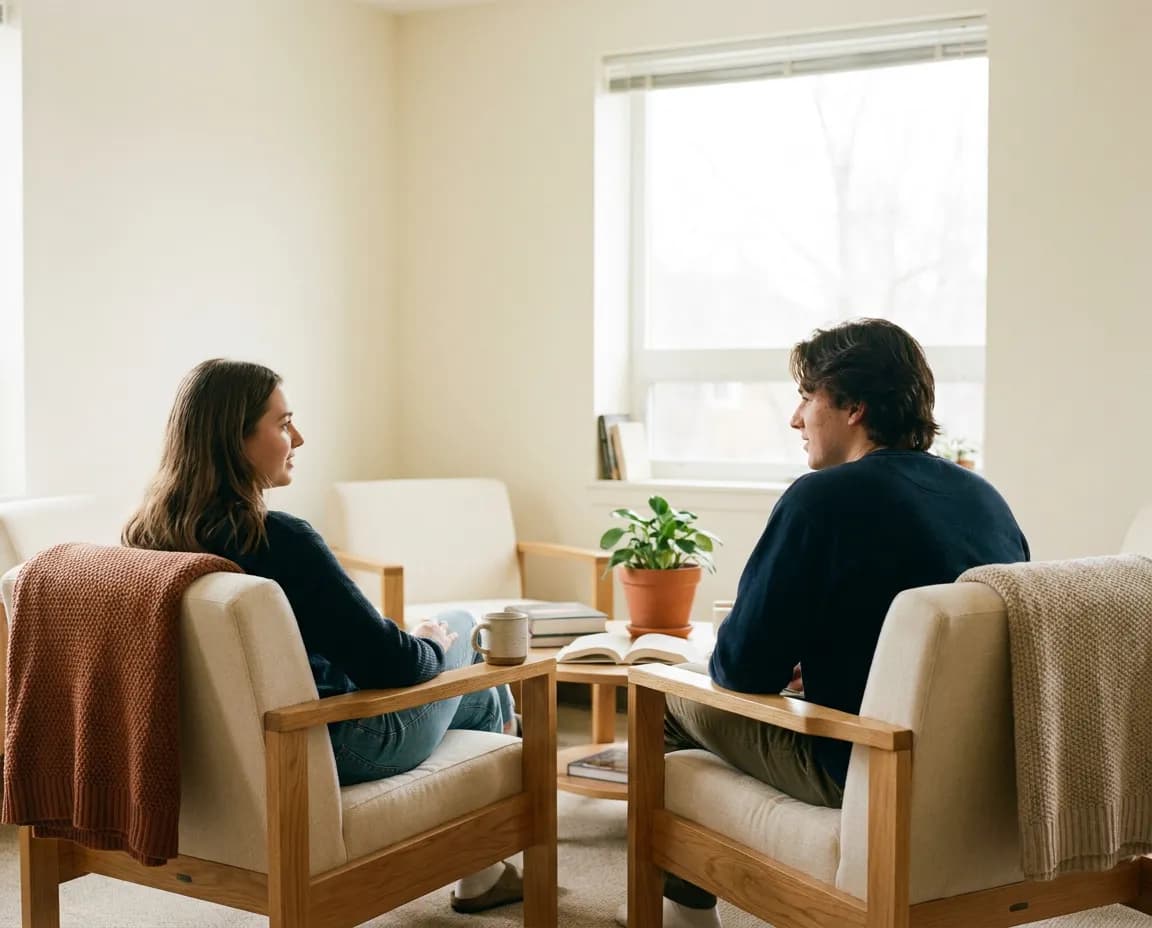
Studying isn't just about classes. It's also the first serious stage of independence, of forming lasting friendships, of building a network of contacts for the rest of your life. Where you live matters enormously in this — sometimes more than the university itself.
Here's what social life looks like in a private dormitory and how it differs from the other options.
Community as part of the offer
Private dormitories don't just sell rooms — they sell an ecosystem. Community is part of the product, not a side effect.
Operators actively build it through:
- Welcome events at the start of the semester
- Regular socials (once a week / every two weeks)
- Communal cooking, workshops, film screenings
- Sports tournaments (volleyball, basketball, ping-pong)
- Themed events (Halloween, holidays, Erasmus parties)
None of it is compulsory — no one requires you to take part. But for first-years and international students, it's a natural, low-pressure way to meet people.
How it differs from renting privately
Renting a flat / room from a landlord:
- You live with 1–3 flatmates you chose (or didn't)
- No interaction with other residents of the building
- Your neighbours are anonymous — often families or seniors
- You organise your social life 100% yourself
A university hall:
- You live with 1–3 people in a room (in some buildings)
- Your neighbours are other students from the same university
- There's a certain social life, but focused on your course
- No organised events (apart from student parties)
A private dormitory:
- You live alone or with 1 other person (your studio / room)
- Your neighbours are students from different universities and countries
- Social life is actively organised by the operator
- Common areas encourage everyday interactions
Typical events in a building
September (start of the academic year):
- A welcome party with a welcome drink
- A group tour of the city for new residents
- "How to survive Polish university" — a workshop for international students
October–November:
- Halloween party
- Cooking nights — preparing dishes from different countries together
- Sport tournaments
December:
- Christmas dinner (for Erasmus students who aren't going home)
- Secret Santa
January–February (exam session):
- Study lounge sessions with coffee and biscuits
- "Coffee mornings" as breaks from studying
March–May:
- Trips to the mountains / the seaside (in groups)
- A BBQ on the terrace / in the garden
- Music nights, open mic
June–July:
- A farewell party for departing Erasmus students
- Summer events (if the building also operates over the summer)
Typical places to interact
Common areas:
- Lounge / living room — a TV, sofas, board games
- A shared kitchen — natural interaction while cooking
- A coworking zone — studying together with others
The gym:
- Shared workouts, training partners
Cinema rooms:
- Movie nights — spontaneous or organised
Corridors and reception:
- Brief chats when picking up parcels and cards
For introverts vs extroverts
If you're an extrovert:
A private dormitory is the perfect place — natural opportunities to interact every day. Regular events. Meeting new people at all hours.
If you're an introvert:
Also fine — the key feature of PBSA is that it's opt-in. You can have your own studio with a kitchenette (full privacy) and only go down to the common area now and then. No one forces you to take part in events.
In a university hall (where rooms are often shared) an introvert has less choice — your roommate sleeps in the same space.
An international community
In buildings like Student Depot, LivinnX, SHED, and Basecamp, on average half the residents are international students. From over 50 countries.
That means:
- Daily exposure to foreign languages (mainly English)
- The chance to form international friendships
- Natural learning through conversation
- Opening your horizons to other cultures
For Polish students planning an Erasmus exchange or an international career, it's an informal school of cross-cultural skills.
Neighbour conflicts
Social life has a flip side — conflicts.
Typical situations:
- Loud parties at night
- Not cleaning up after yourself in the kitchen
- Cooking smells (strong spices)
- Noise in the corridor
How the operator handles it:
- The building's rules (quiet hours, guest policy)
- A procedure for reporting a conflict (reception / management)
- Mediation — the operator steps in, you're not left alone with the problem
- As a last resort: warnings, and in extreme cases terminating the contract of a disruptive resident
When renting privately, you have none of these layers of protection.
Conclusion
A private dormitory is a social option with an escape hatch. Events are optional but available. Everyday interactions are natural but not forced. The community is international but without pressure to take part.
For first-years, it's the simplest way to make friends in a new city. For international students, it's a substitute for the support network you lose when you go abroad.